
Pet Endoscopy
Getting To The Bottom Of Your Pet’s Problem.

Signs You May Need to See an Endoscopy Vet
Our pets can’t tell us when something is wrong, but there can be signs to tell us when they’re hurt or not feeling well. An endoscopy vet uses a flexible camera to look inside your [et’s oesophagus, stomach or intestines, giving us answers a regular check-up or x-ray can’t always provide.
Some signs to head to your vet for a potential endoscopy include:
- Loss of appetite or refusing food.
- Frequent vomiting or soon after eating.
- Ongoing diarrhoea that doesn’t improve.
- Signs of pain or discomfort in the tummy area.
- Gagging or difficulty vomiting.
- Blood in their vomit or stools.
- Sudden weight loss with no obvious cause.
- If you suspect they have swallowed an object.
While not every symptom means something serious, getting a closer look with a pet endoscopy can give you the peace of mind you need, or guide you on treatment options with confidence. Book your pet in at Plus One Vet if you have any concerns about your furry friend.


Types of Problems That Can Find With An Endoscopy For Dogs & Cats
Animal endoscopy is one of the most useful diagnostic tools in modern veterinary medicine. It’s a safe, minimally invasive to look directly at the digestive system, helping detect many problems, including:
Blockages in the Oesophagus, Stomach or Intestines
Food, hair or even toys can sometimes create a blockage that stops the digestive system from being able to work properly. If it’s left untreated, these blockages can cause pain, vomiting and dangerous complications. Endoscopies help us to find these blockages quickly and with accuracy, and in many cases, remove them without surgery.
Stomach Inflammation or Ulcers
An inflamed stomach lining, or gastritis, can be behind what’s making your pet to vomit more frequently, lose weight or seem uncomfortable after eating. This can also lead to ulcers, which can lead to more serious problems if they’re left untreated. With an endoscopy for dogs or cats, we can get a clear view on the stomach lining to make a diagnosis and provide treatment.
Chronic Vomiting or Diarrhoea
Just like you, an upset stomach that doesn’t clear up can mean your pet has something not quite right, such as a food intolerance, infection or inflammatory condition. Through an endoscopy, we can see what’s going on inside your dog or cat, and often take a small tissue sample to confirm the cause.
Abnormal Growths or Tumours
One of the many uses of an endoscopy for pets is to help detect abnormal tissue growths, such as polyps or tumours. Finding these early can help give your pet the best chance for effective treatment, with one treatment allowing us to see the growth directly, take a sample and plan the next steps to help get Fido or Moggie up on their feet.
Complete Support For More Than Just Cat & Canine Endoscopy
Endoscopy is only one part of the care available at Plus One Vet. What sets us apart is our complete range of services that work together for your pet’s health, and our dedication to providing an above-and-beyond service any time your pet needs care.

Dr. Leo is Here For Your Emergency Animal Endoscopy
You want a quick answer when your pet isn’t feeling their best. Dr. Leo Wong and our team at Plus One Vet are equipped to perform emergency animal endoscopies when time is critical.
If your pet has swallowed something they shouldn’t, is struggling with sudden digestive issues or showing signs of internal bleeding, Dr. Leo and our team will act fast to keep your pet safe and comfortable. Every step of the way, you’ll be informed and supported so you can find peace of mind during those stressful moments. Book an appointment with Dr. Leo and our team today.

Advanced Diagnostic Technology
With modern imaging and diagnostic equipment, we can get clear answers, fast. By combining a pet endoscopy treatment with options like ultrasound, x-rays and blood work, all available at our clinic, we can provide a full picture of your pet’s health without visiting multiple locations.

Multilingual Team
Understanding your pet’s needs is even easier when your vet speaks the same language. Our team speaks multiple languages, including English, Mandarin Chinese, Cantonese and Taiwanese Hokkein so you can communicate your way.
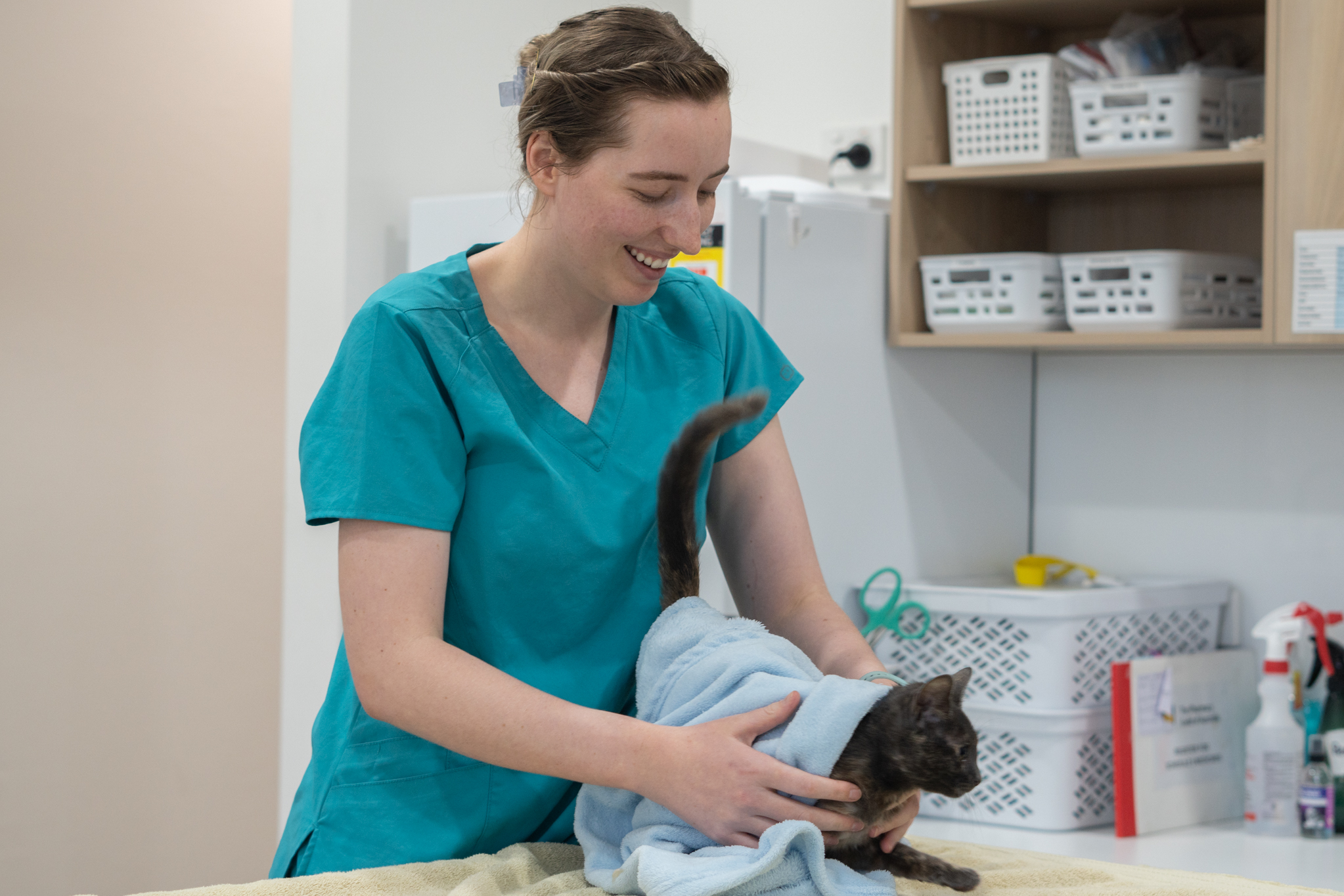
Comprehensive Vet Care
Everything your pet needs is under one roof with Plus One Vet. Being able to have a consistent health care team for your pet means less stress for you, and less stress for you too, with smoother communication for owners.
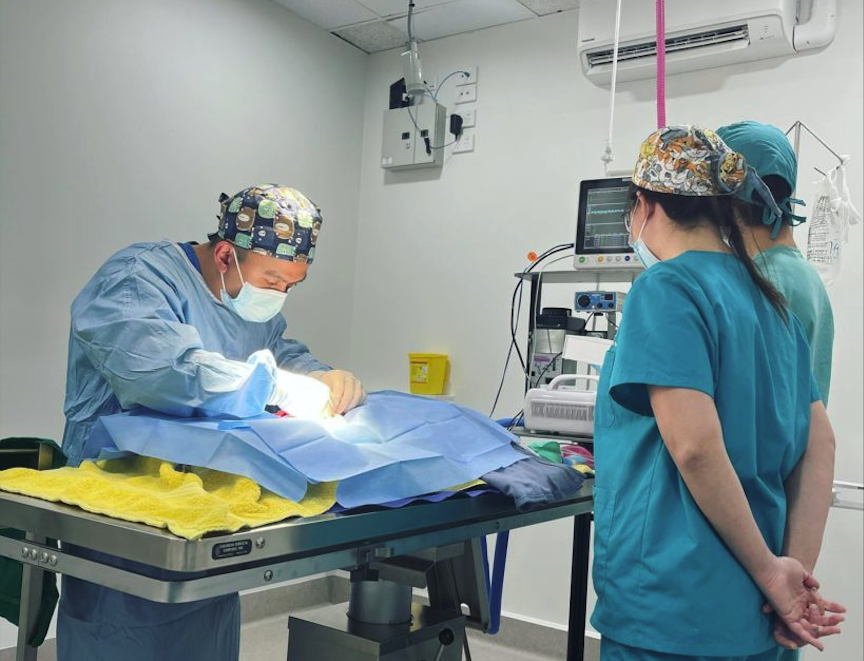
Education-Lead Care
You want to know you’re doing everything for your pet you can. After a dog or cat endoscopy, our vets take the time to explain the results so you know what was found, what it means for your pet and the options available, if treatment is needed, so you can feel confident and happy.
What to Expect During Your Pet’s Dog or Cat Endoscopy
An animal endoscopy is a simple and minimally invasive procedure that provides us with big answers. Here’s what typically happens:
Your pet will be given a light anesthetic to help them stay calm and comfortable.
A thin, flexible tube with a small camera, known as an endoscope, is carefully guided into their digestive tract.
We can then see real-time images of the stomach, intestines or esophagus clearly on a screen.
If needed, we can also pass small tubes through the scope to collect biopsies or remove objects.
The procedure usually takes less than an hour and in most cases, your pet can come with you the same day.
Endoscopy For Dogs
A canine endoscopy is especially useful for dogs who love to chew or swallow things they shouldn’t. It can also help investigate recurring upset stomachs, unexplained weight loss or issues in their throat or oesophagus. By spotting these issues early, endoscopies can give your pooch the chance to recover faster and return to their usual energetic selves.
Endoscopy For Cats
Cat endoscopies are often recommended when there is ongoing vomiting, unexplained weight loss or suspected inflammatory bowel disease. Your vet may also recommend one if they suspect complications with a pregnancy or foreign objects, like string or hairballs. Cats tend to hide when they’re sick, so this helps us get to the bottom of any strange behaviour.
Exceptional Pet Care
Local Reviews
Maria Martins
Customer

“Really friendly, helpful and caring staff, my dogs always feels comfortable coming to the vet and doesn’t get scared. Would definitely recommend.“
Dylan Fewings
Customer
“The practice were very kind and helpful, Dr Leo is a professional and helped me understand what was going on with my little fella”
Miranda Huang
Customer
“Best Vet in Brisbane. Dr Leo always asked me about my cats situation. And also congratulations about Leo’s second baby born.”
Dido Woo
Customer
“Best vet ever! Staff are very caring and friendly, Dr Leo is super professional. Thx for looking after my senior boi Million, definitely will come back for next year’s vaccination.”